For Our Flowing Voices; I Amphorae
Kunstmuseum Magdeburg•Sep 07, 2025 — Jan 09, 2026


Artist
Guestbook
Press Release
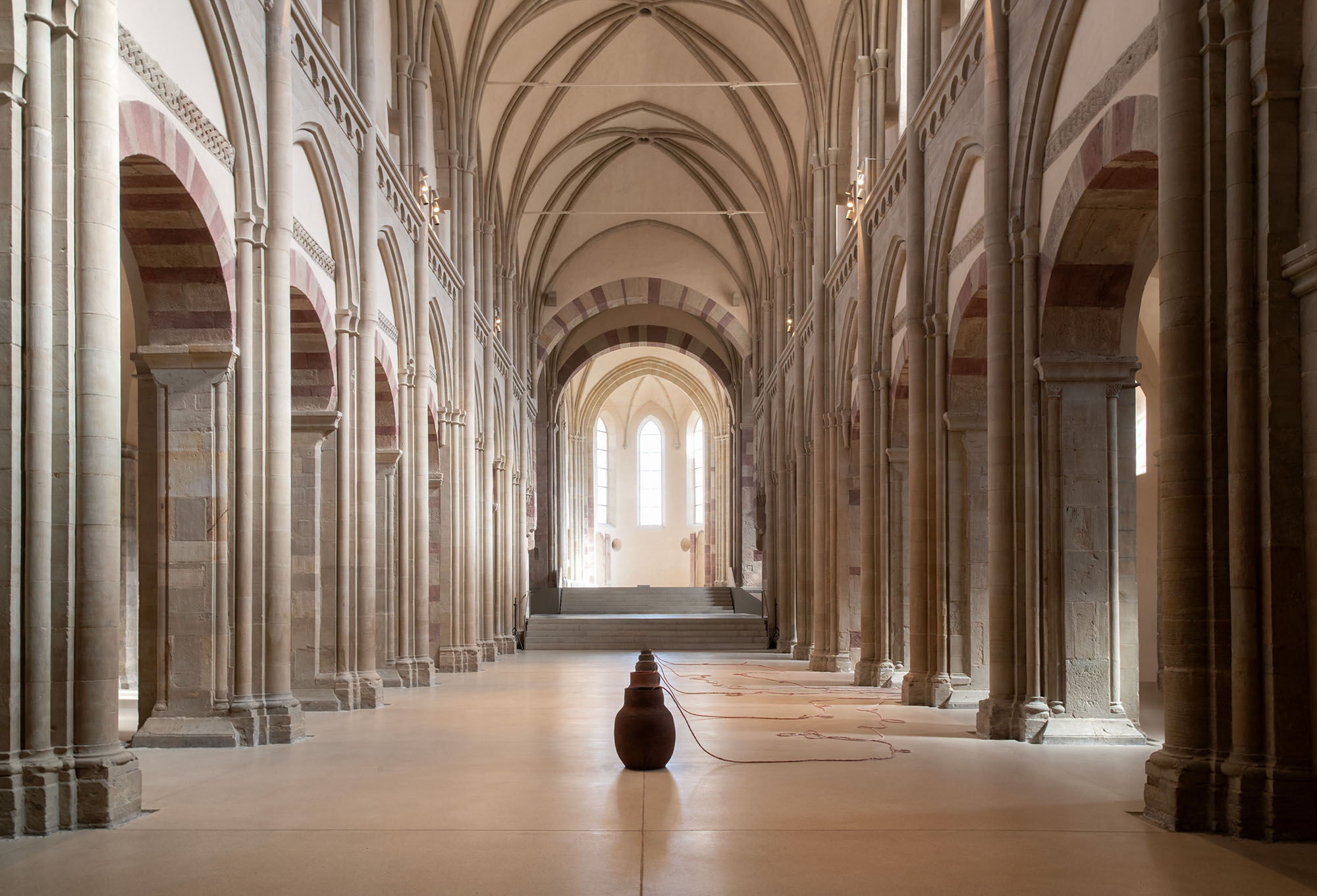
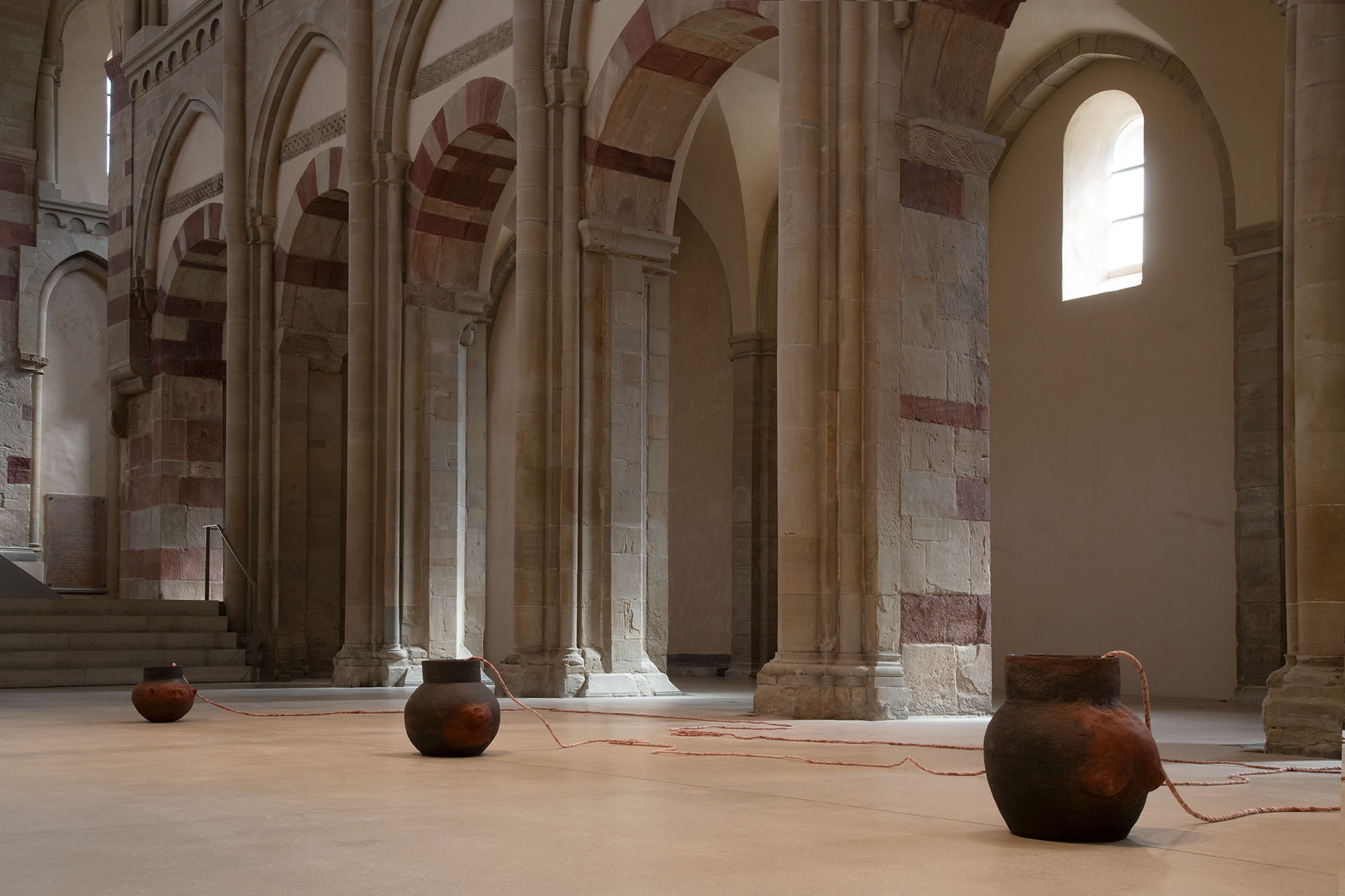
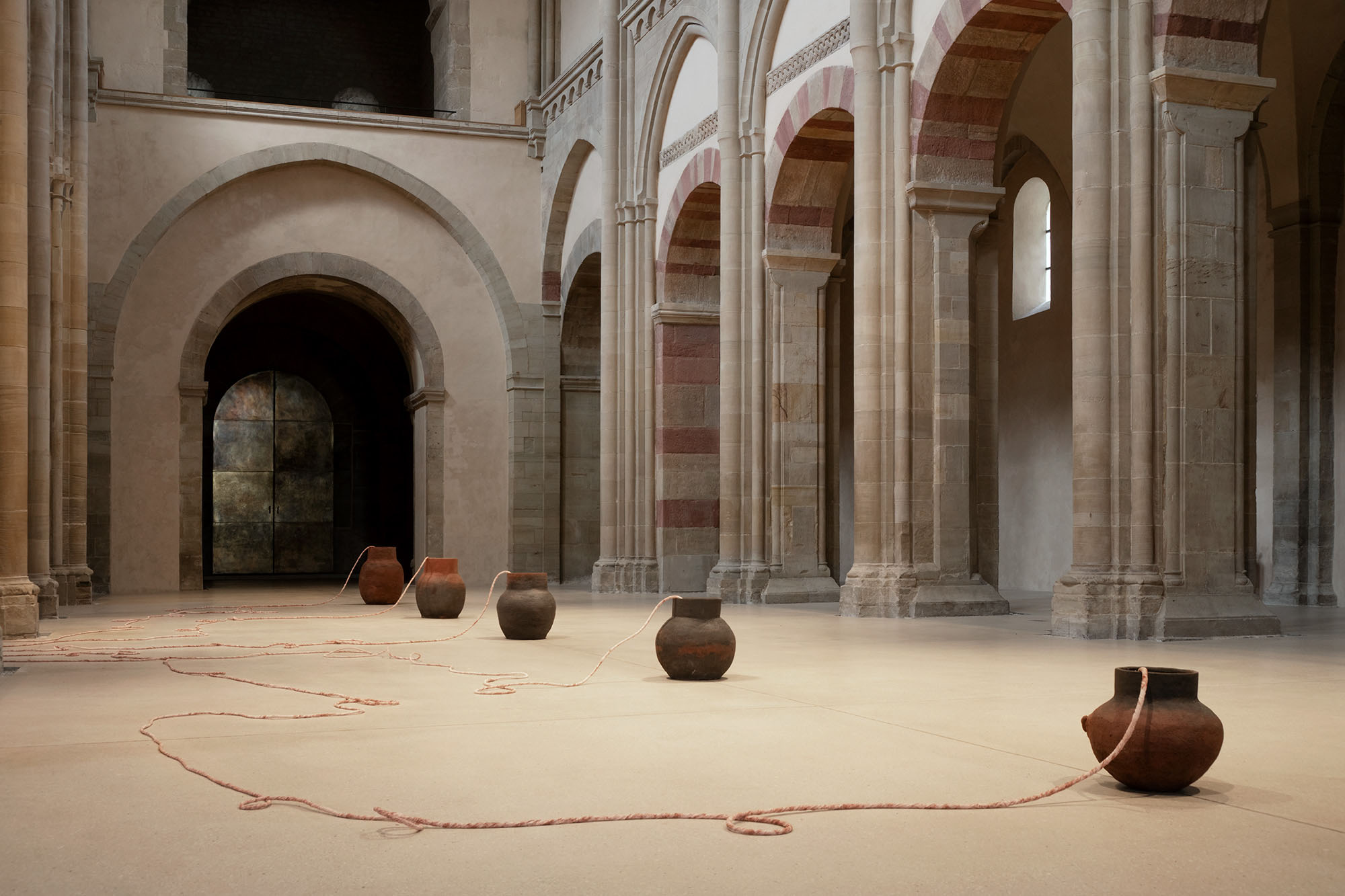
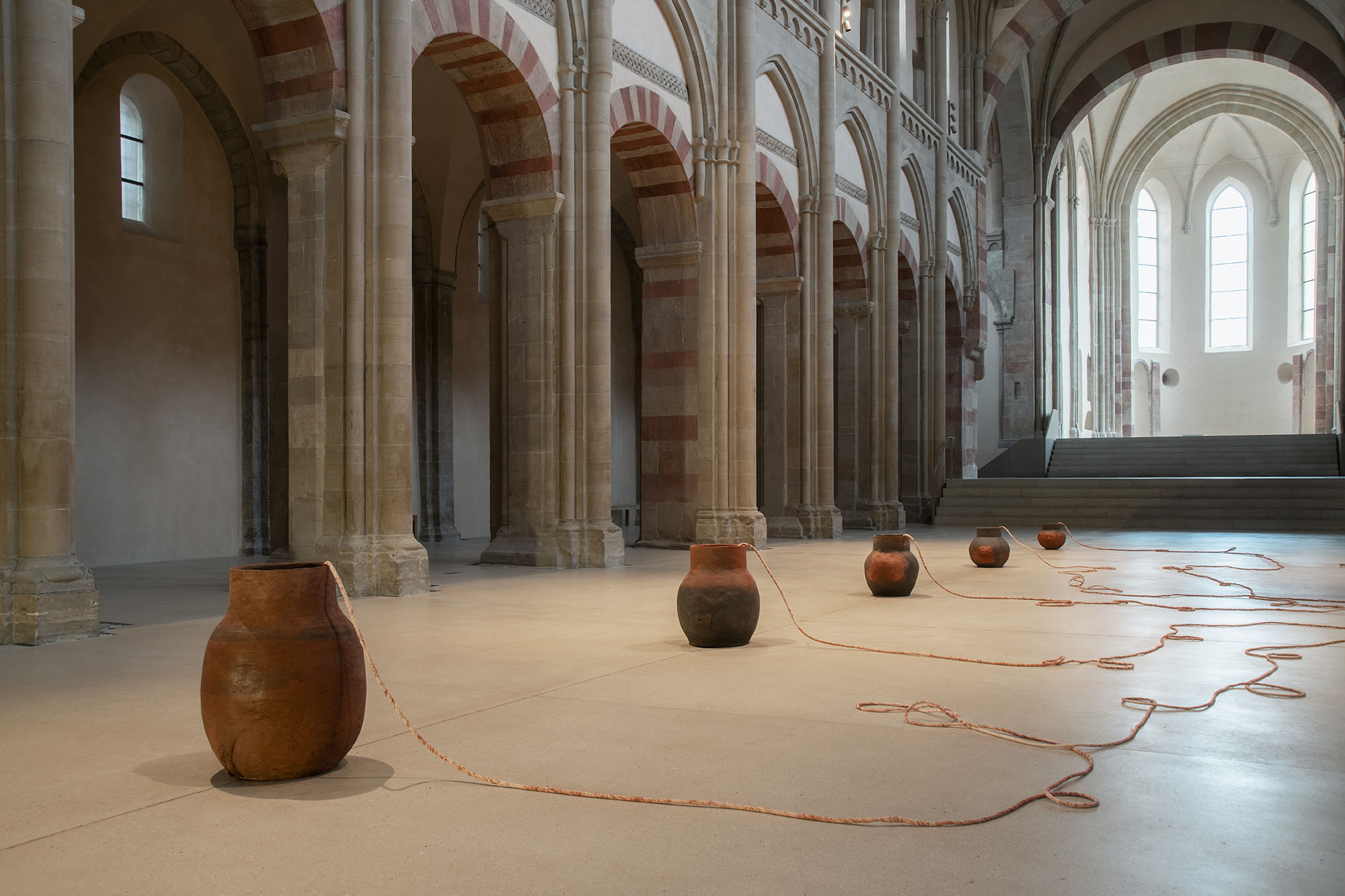
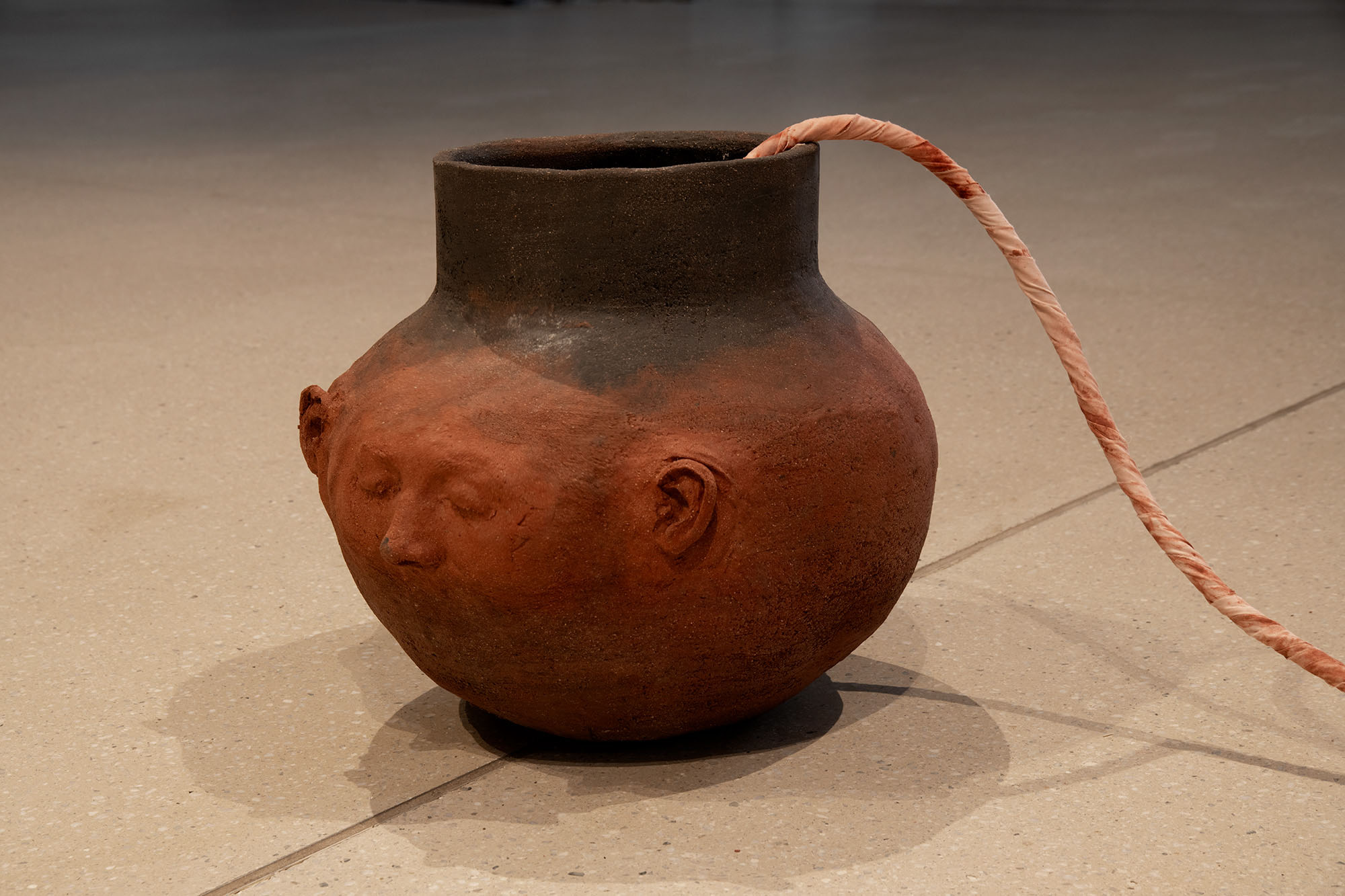
Our bodies are crossed by multiple voices that, exceeding the limits of flesh, tend to lose their individuality and claim space. In her exhibition For Our Flowing Voices; I Amphorae, at the Kunstmuseum Magdeburg, Lara Dâmaso sets aside her physicality, allowing the work to exist without her presence.
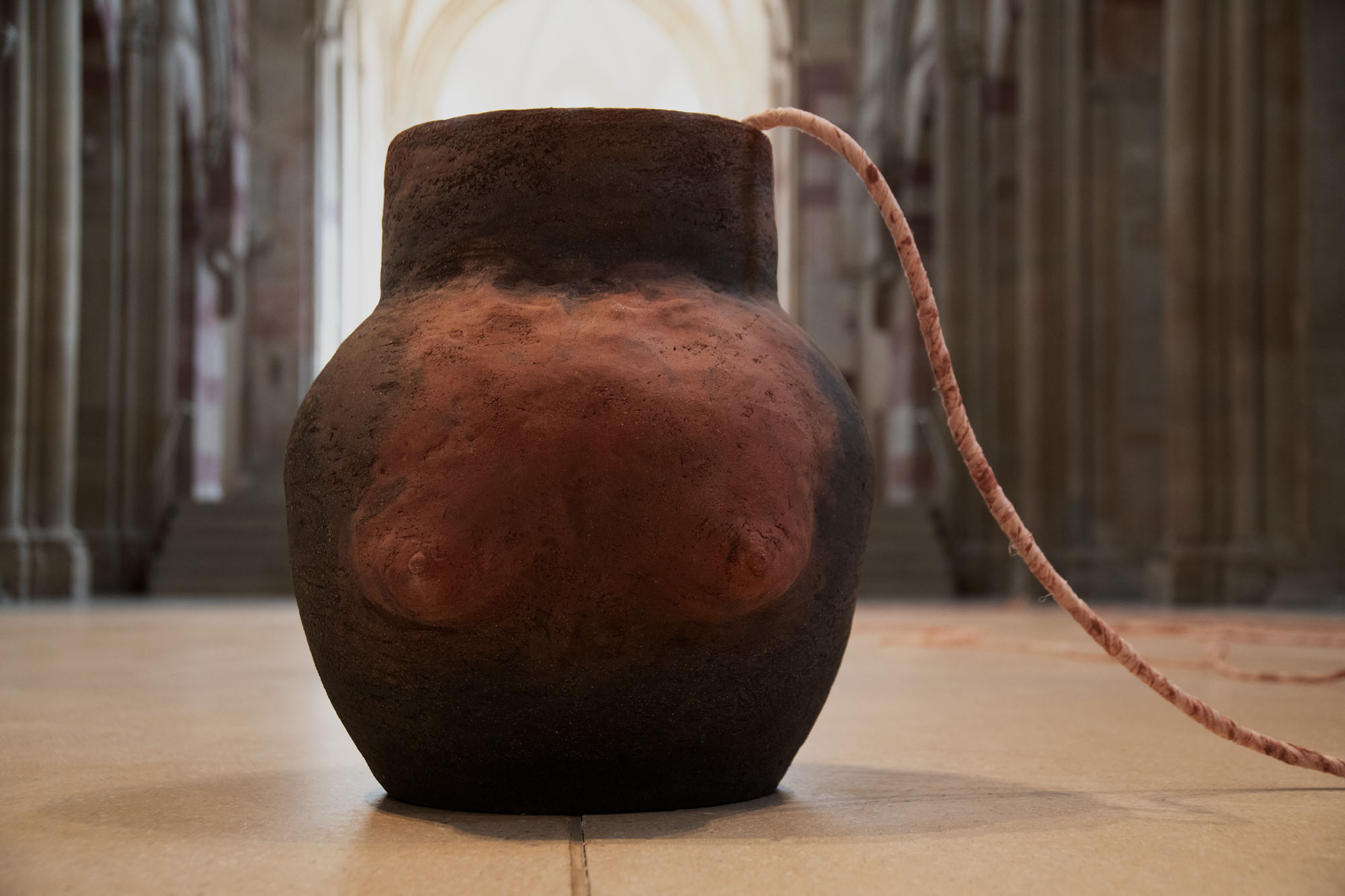
In the church of the Monastery of Our Lady in Magdeburg, dating back to the eleventh century, her body dissolves to make room for breath, opening itself to actively intensify its reception, becoming the channel that allows its passage and makes it audible.
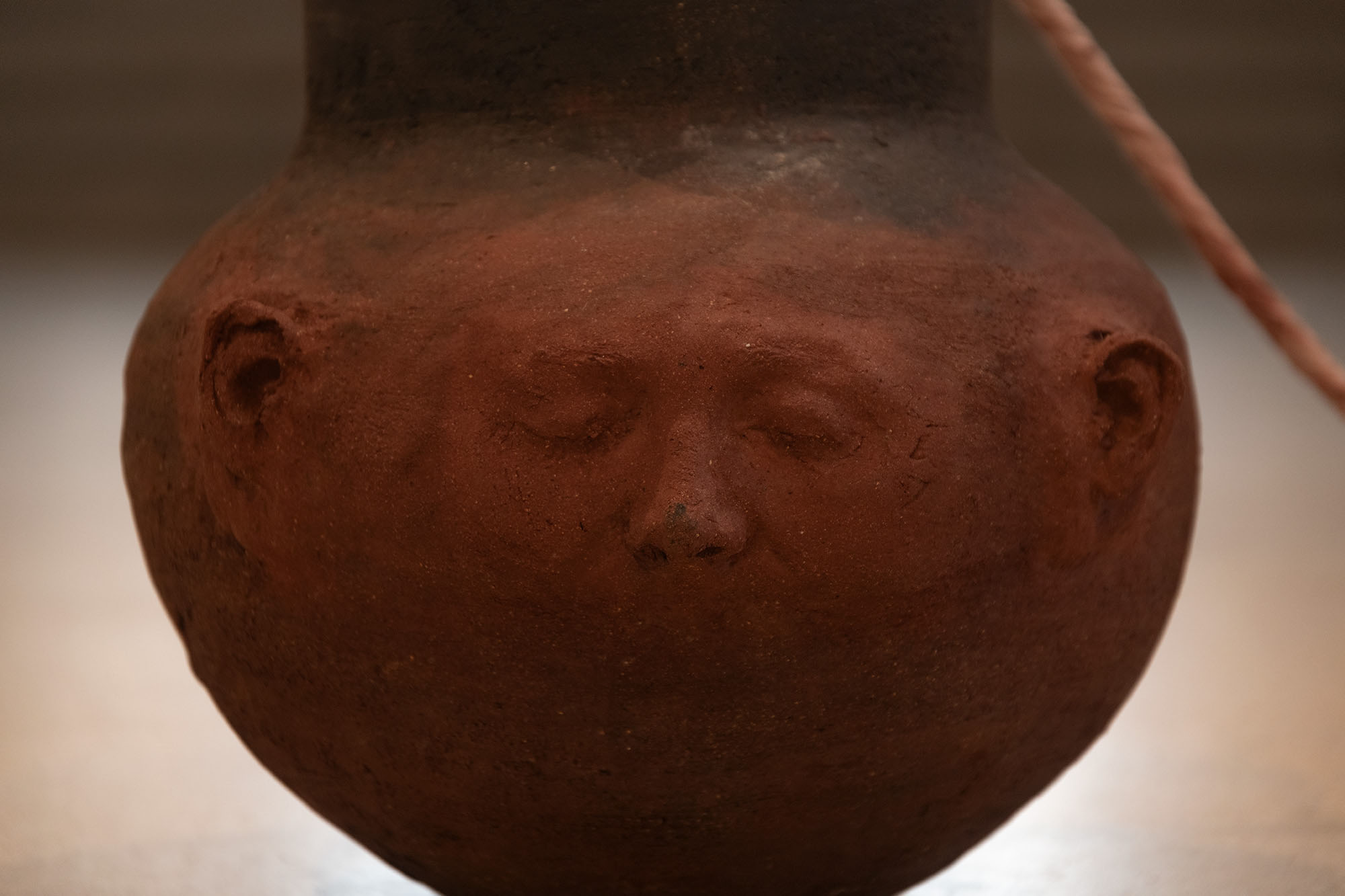
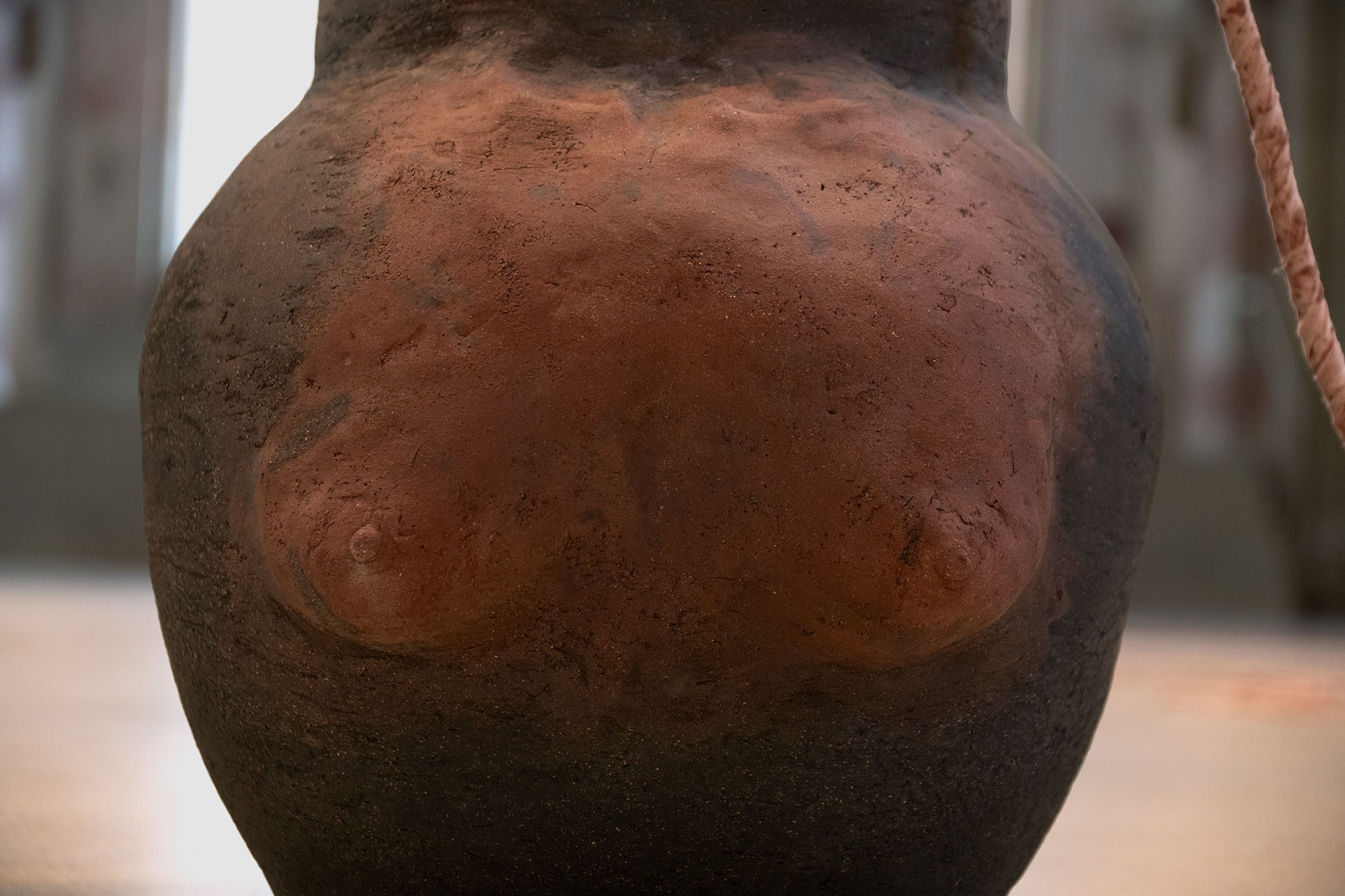
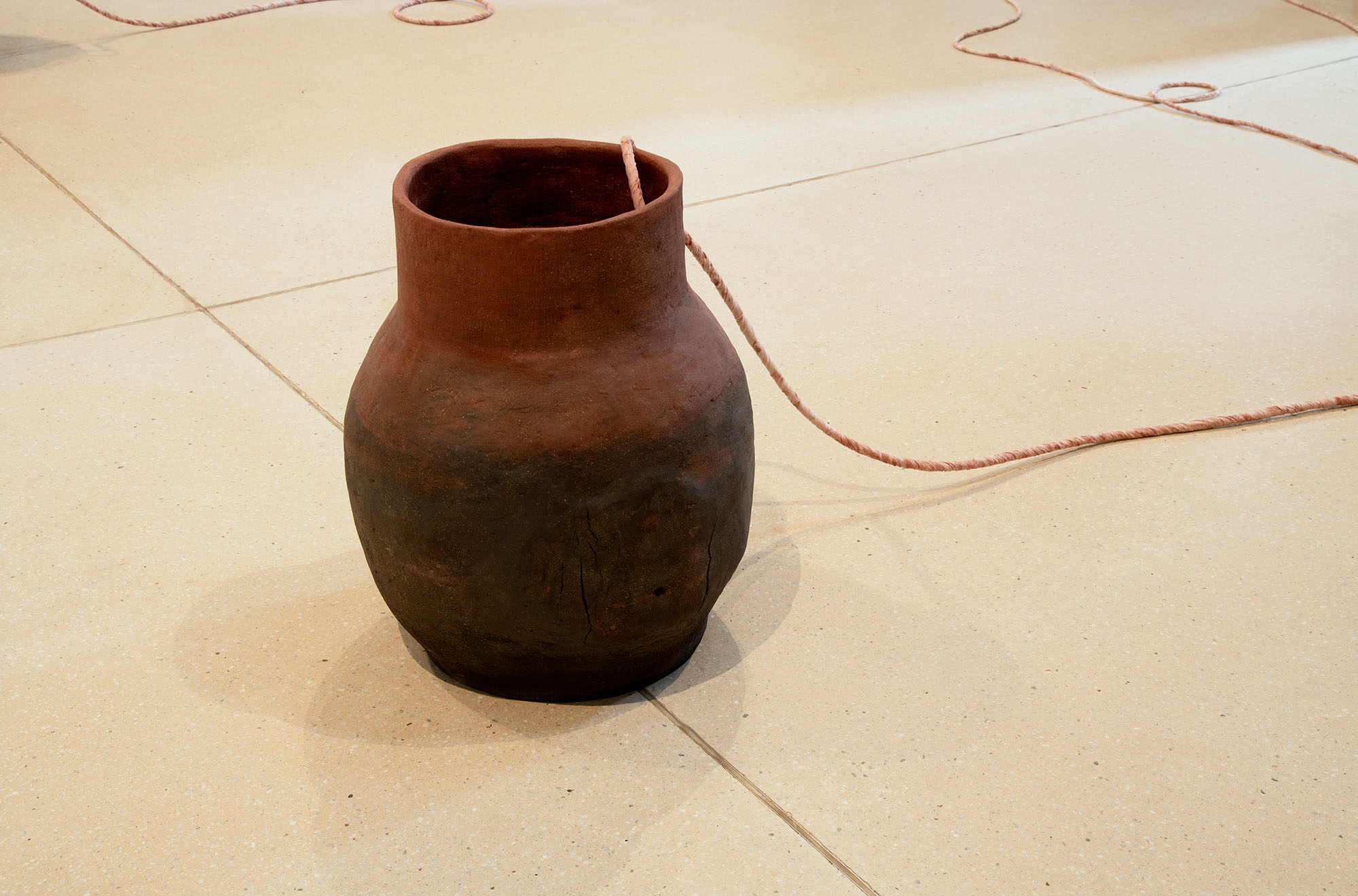
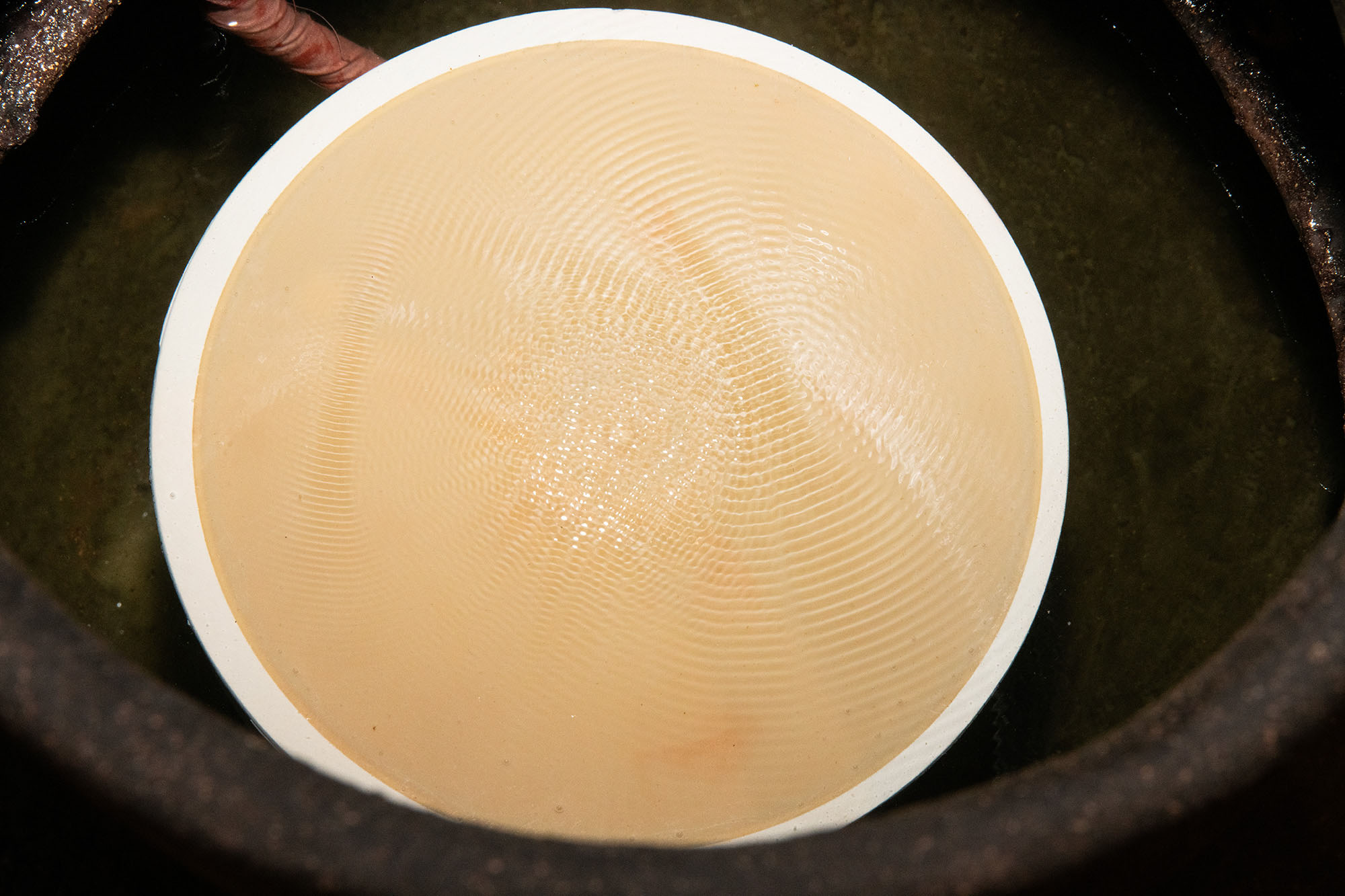
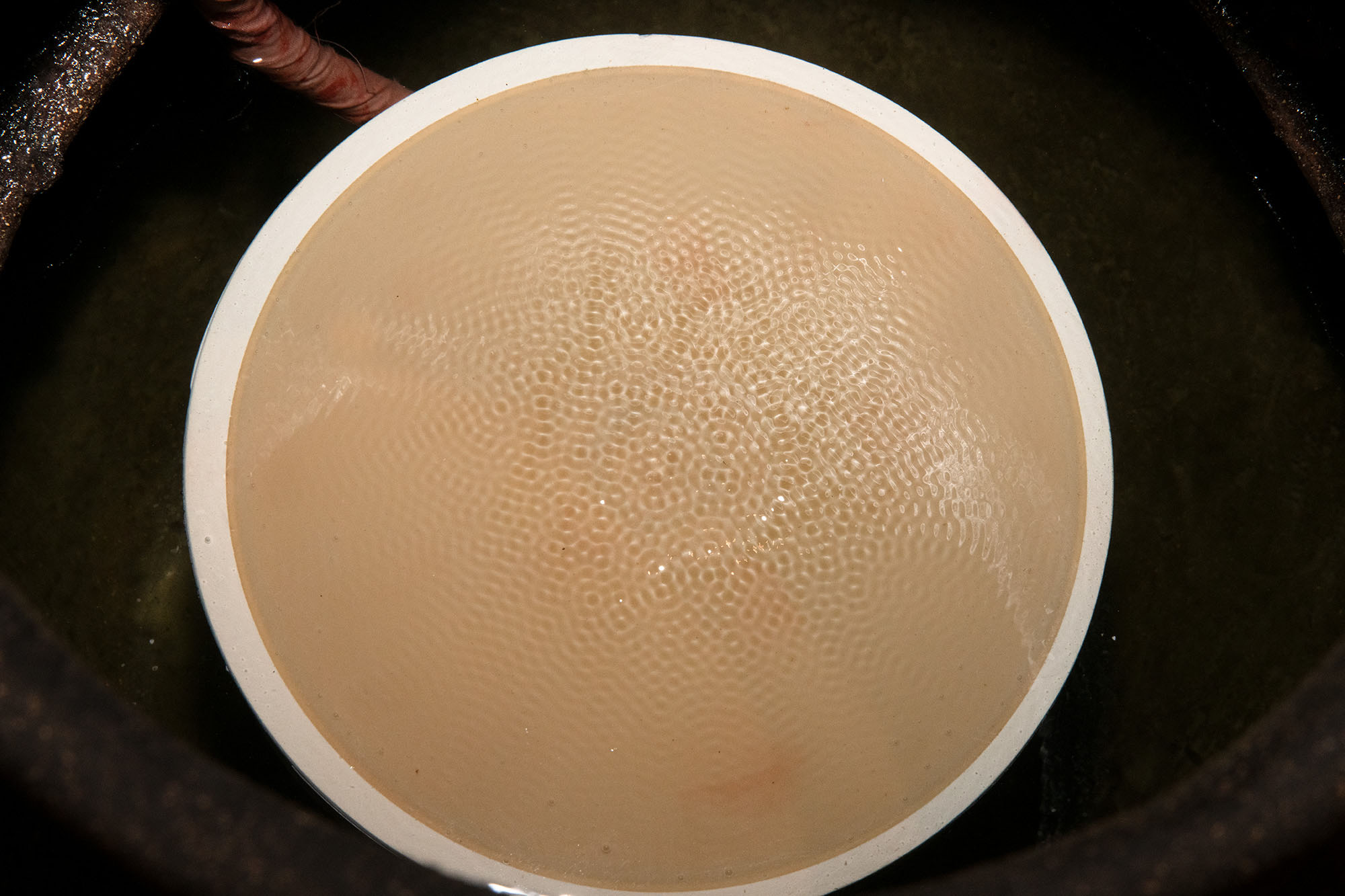
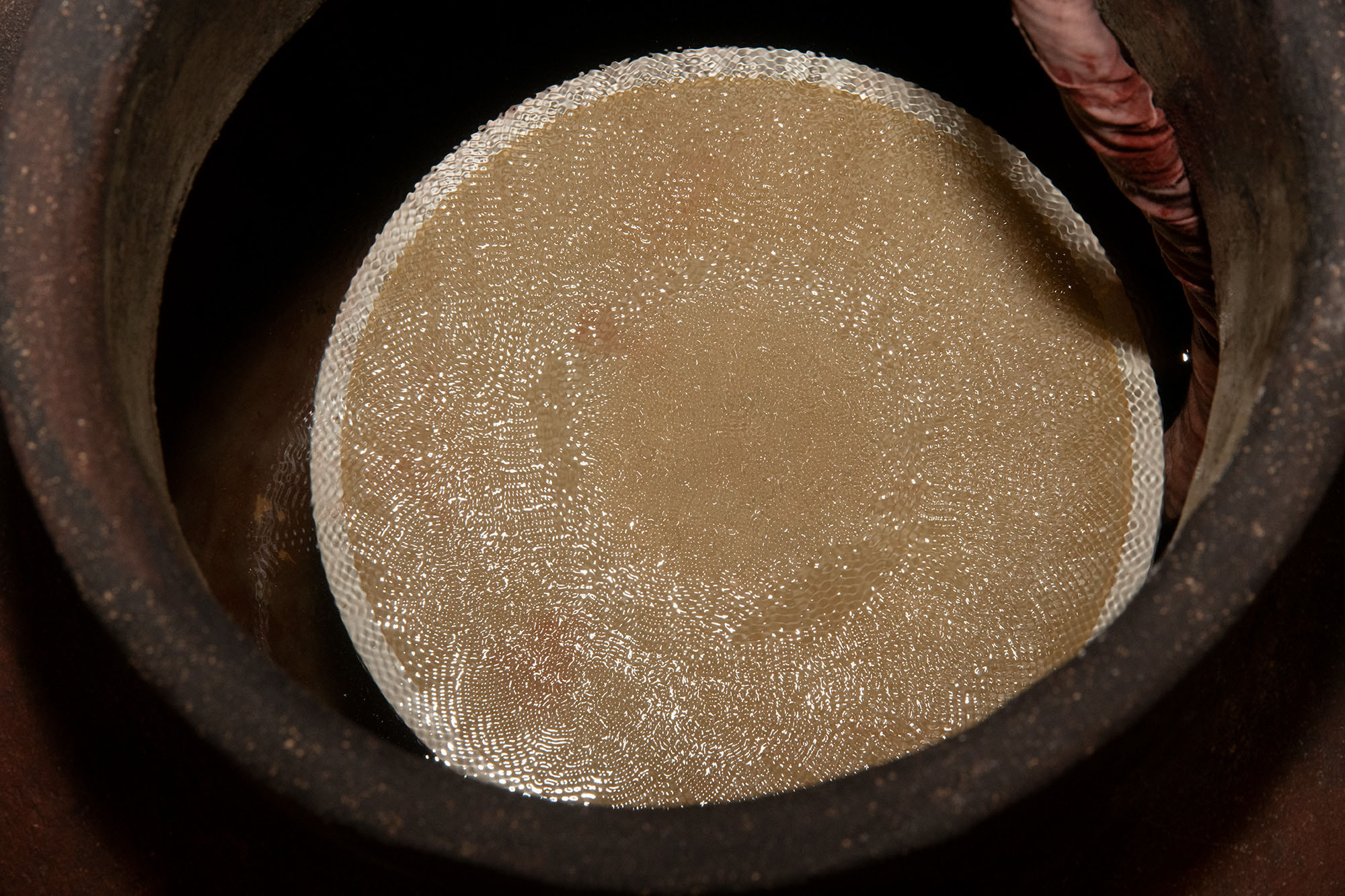
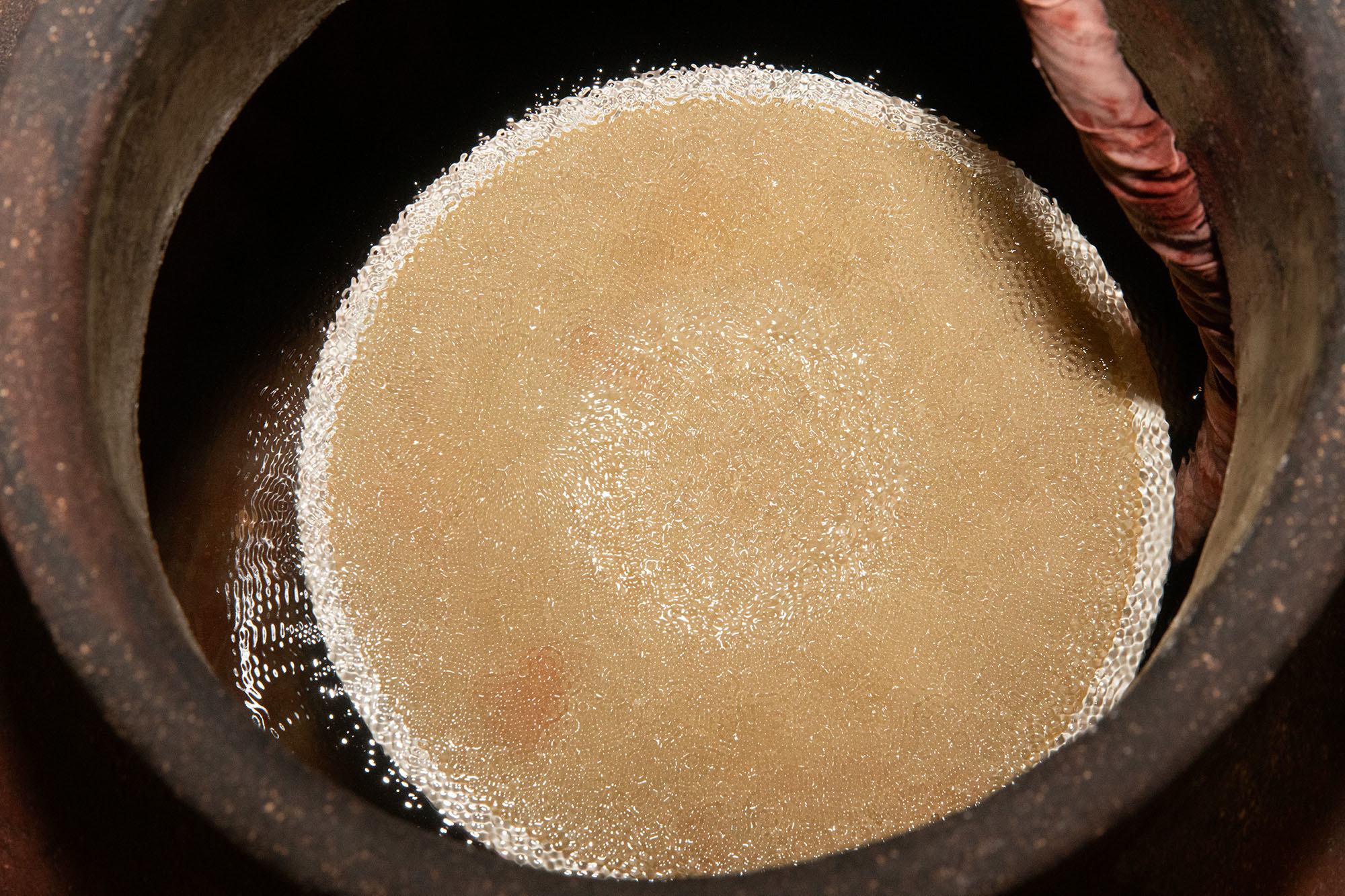
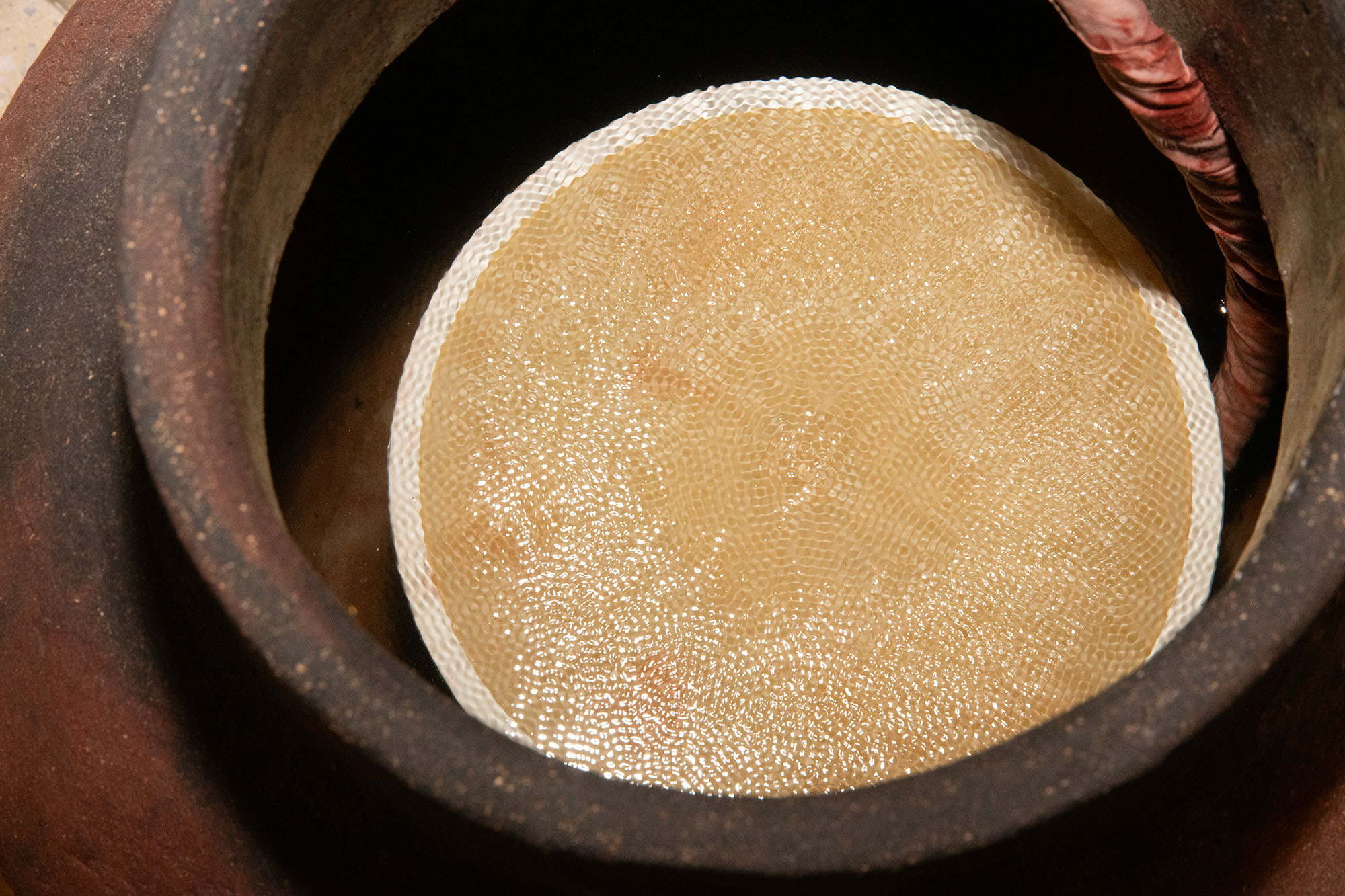
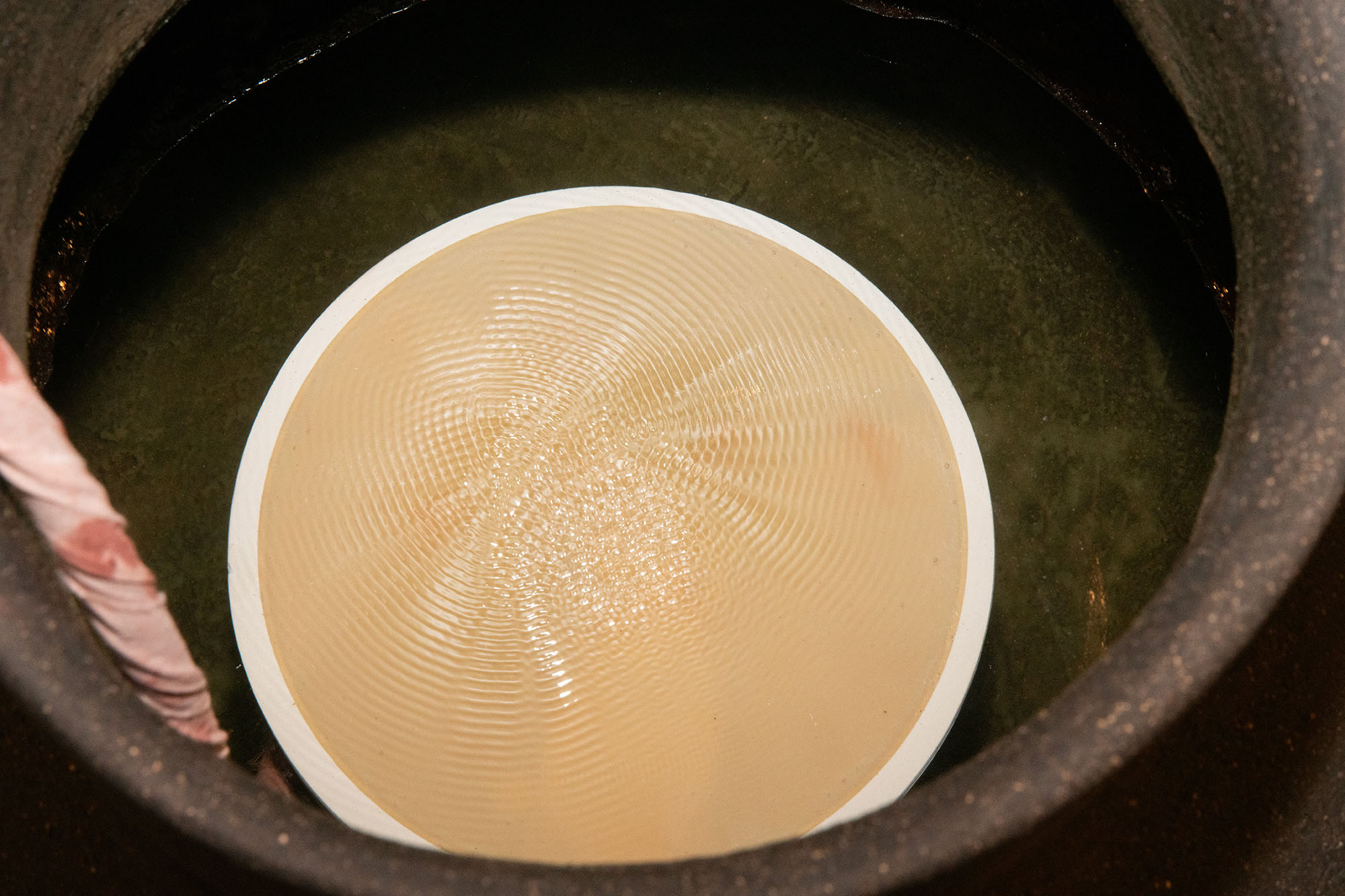
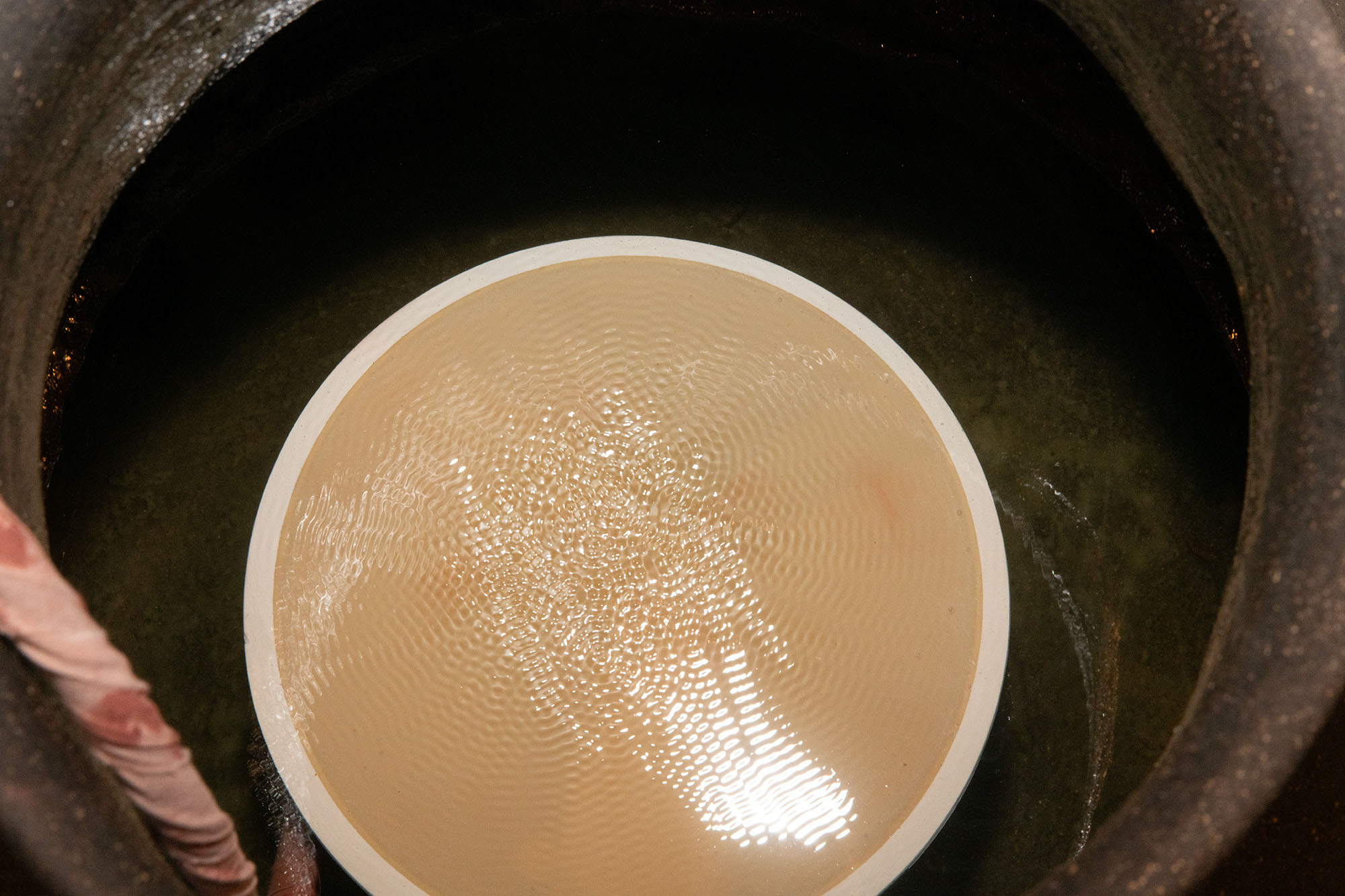
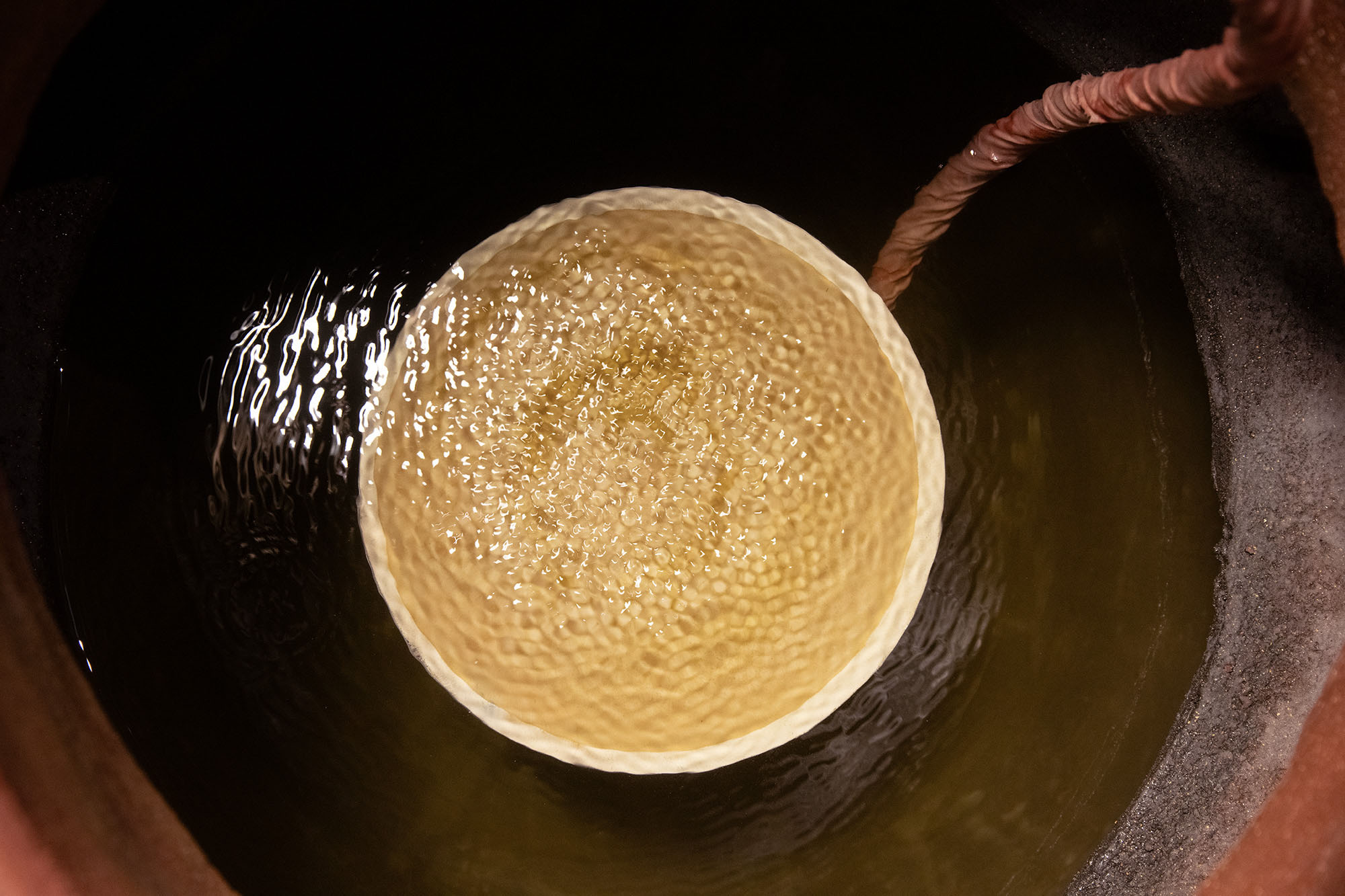
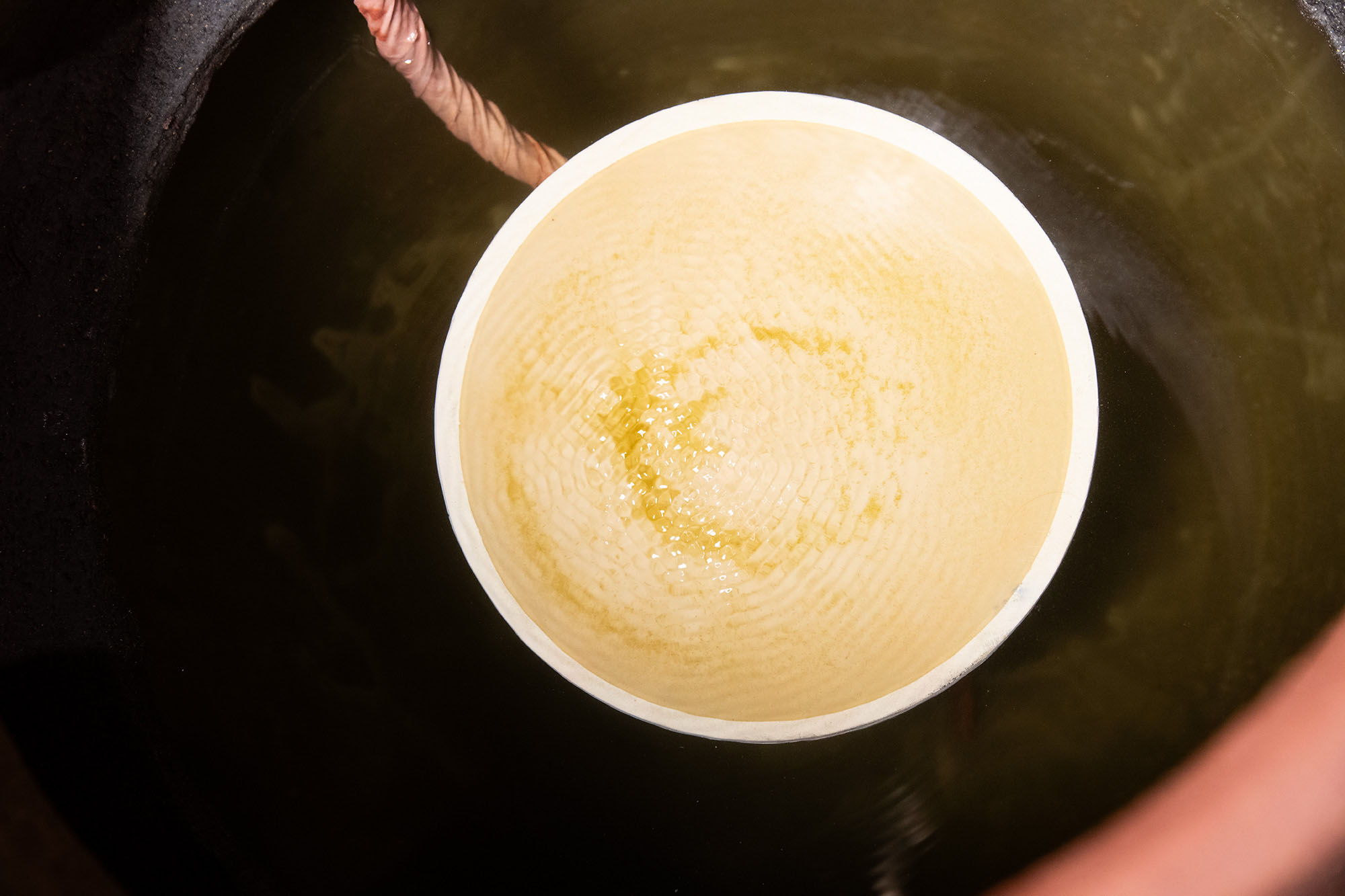
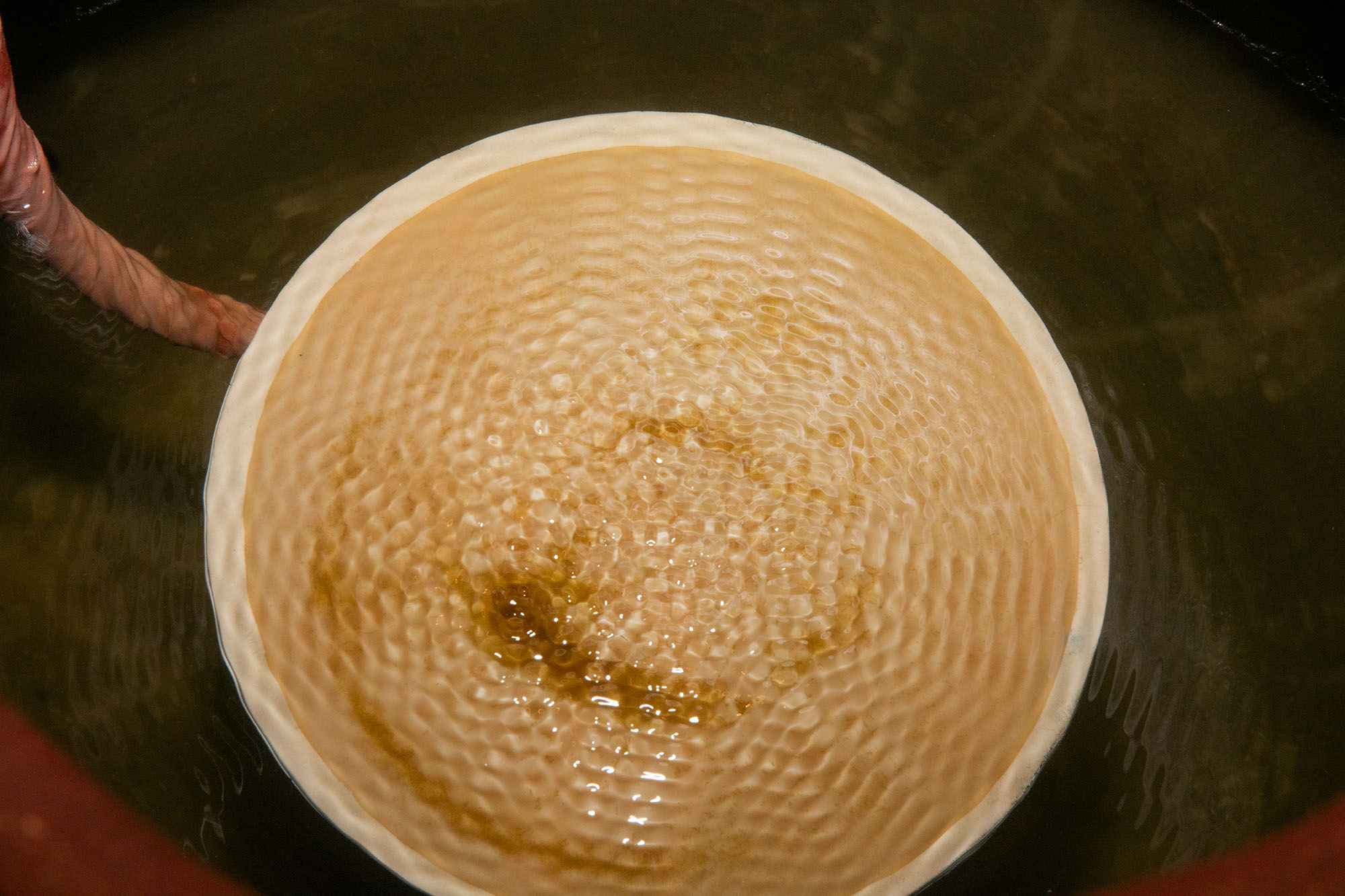
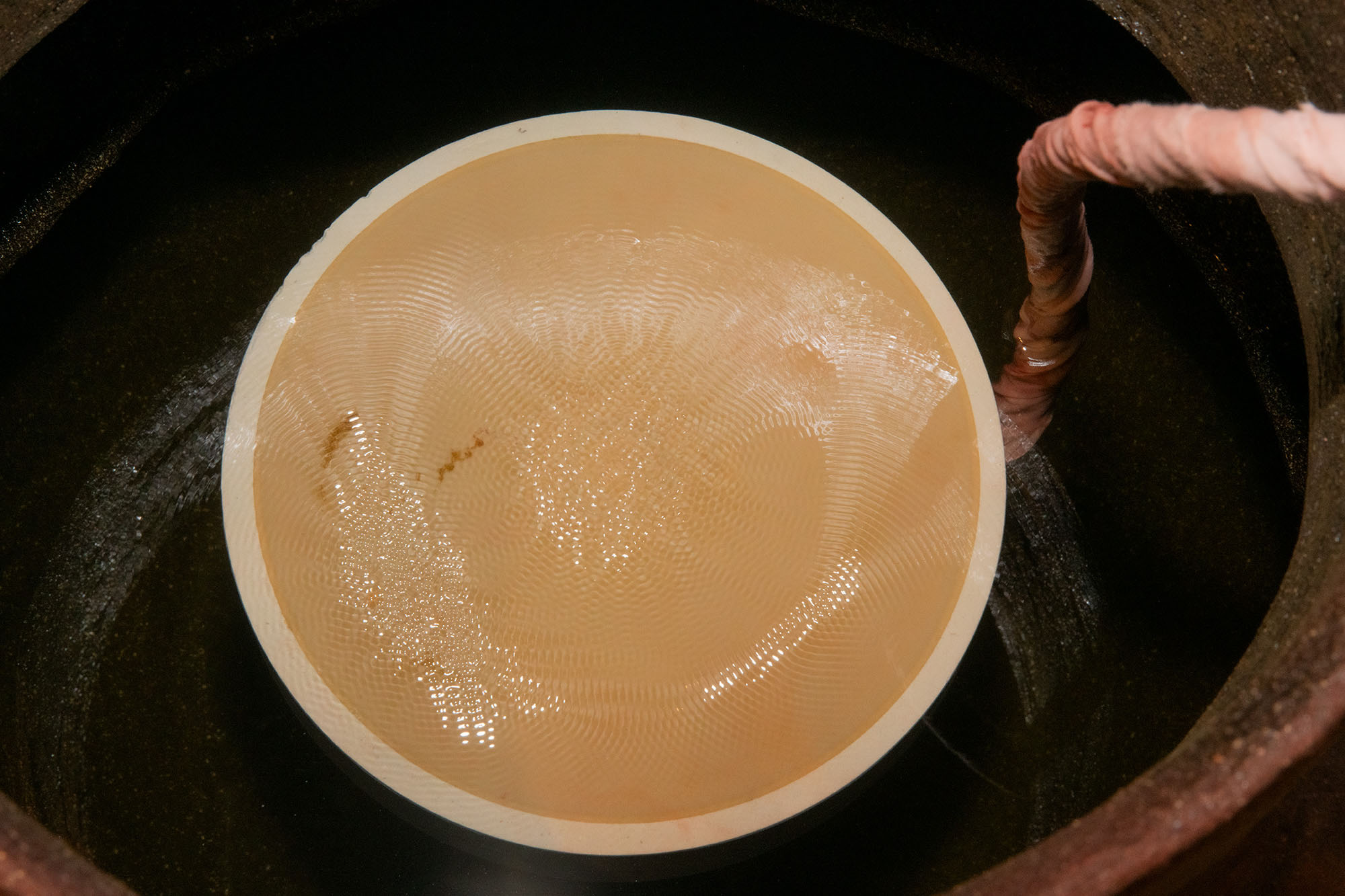
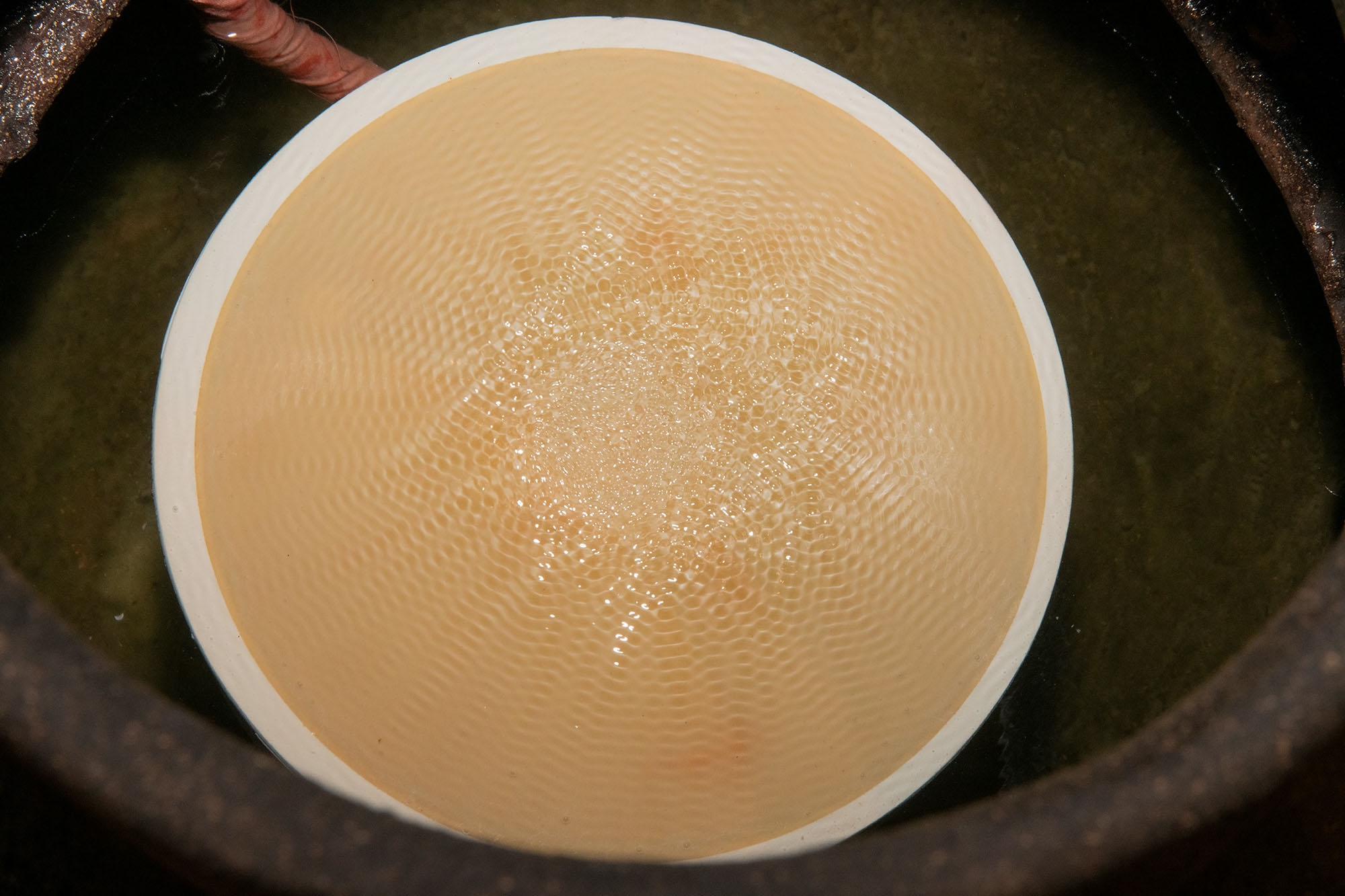
She dissects itself into five ceramic amphorae containing water, whose shapes and sizes are molded by the flow of her voice, shaped by passing through five corresponding bodily spaces: the pelvic floor, the abdomen, the chest, throat and mouth, and the skull.
The sculptures thus become spaces of resonance, generating a scale that ranges from the deep tones of the pelvic diaphragm to the high tones of the head. By merging form and…
Exhibition Space

Metadata
Claims
















For Our Flowing Voices; I Amphorae
Kunstmuseum Magdeburg•Sep 07, 2025 — Jan 09, 2026
Press Release
Our bodies are crossed by multiple voices that, exceeding the limits of flesh, tend to lose their individuality and claim space. In her exhibition For Our Flowing Voices; I Amphorae, at the Kunstmuseum Magdeburg, Lara Dâmaso sets aside her physicality, allowing the work to exist without her presence.
In the church of the Monastery of Our Lady in Magdeburg, dating back to the eleventh century, her body dissolves to make room for breath, opening itself to actively intensify its reception, becoming the channel that allows its passage and makes it audible.
She dissects itself into five ceramic amphorae containing water, whose shapes and sizes are molded by the flow of her voice, shaped by passing through five corresponding bodily spaces: the pelvic floor, the abdomen, the chest, throat and mouth, and the skull.
The sculptures thus become spaces of resonance, generating a scale that ranges from the deep tones of the pelvic diaphragm to the high tones of the head. By merging form and…
Exhibition Space
Artist
Guestbook
Metadata
Claims

Editing is restricted
You cannot submit an edit because the institution hosting this exhibition has been claimed by .
Editing this section requires claiming the profile of the institution hosting this exhibition.
Claims are one of the many safeguards in place on UntitledDb that preserve the integrity of the information on our platform.
Editing is restricted
Editing this section requires claiming the profile of the institution hosting this exhibition.
Claims are one of the many safeguards in place on UntitledDb that preserve the integrity of the information on our platform.
Editing is restricted
A reputation of 20,000 or higher is needed to edit posts created by other users.
Familiarize yourself with our platform by creating new posts and watching your favorites. You'll reach a reputation of 20,000 in no time.
This is one of the many safeguards in place on UntitledDb that preserve the integrity of the information on our platform.
Account access options
Log in and connect with the art world
By continuing, you agree to our Terms of Use and Privacy Policy.
or
Account access options
Sign up and connect with the art world
By continuing, you agree to our Terms of Use and Privacy Policy.
or
Account access options
Expand your reach with UntitledDb Pro
By continuing, you agree to our Terms of Use and Privacy Policy.
or
Account access options
Grow your institution's reach and impact with UntitledDb Enterprise
By continuing, you agree to our Terms of Use and Privacy Policy.
or
Sign up for UntitledDb Pro to unlock this feature